Introduction
The Custom Plush Bag industry has grown significantly over the past decade, fueled by demand for unique, tactile, and highly customizable accessories. Unlike traditional backpacks or handbags, plush bags combine soft textures, playful designs, and functional storage, making them popular among children, teens, collectors, and even adults seeking novelty or brand merchandise. Their appeal lies not only in their aesthetic charm but also in the ability to incorporate branding, personalization, and limited-edition designs.
For manufacturers, understanding the dynamics of the Custom Plush Bag market is essential to meet consumer expectations while maintaining efficiency and compliance. Similarly, brands and buyers need insights into production materials, design processes, quality standards, and market trends to make informed sourcing decisions. This article provides a comprehensive overview of the Custom Plush Bag industry, covering key trends, materials, manufacturing processes, market demand, and quality standards, offering a guide for businesses seeking to excel in this growing segment.
Current Trends in the Custom Plush Bag Industry
Popular Designs and Shapes
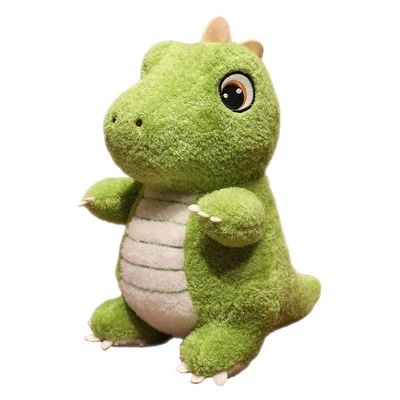
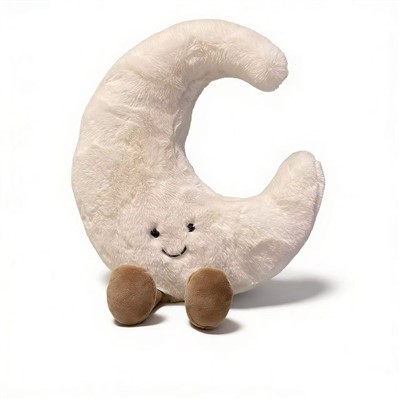
The market for Custom Plush Bags is highly influenced by design innovation. Currently, animal-themed bags, cartoon-inspired plush designs, mini backpacks, and crossbody plush bags dominate consumer interest. Seasonal collections and limited-edition releases also drive demand, as buyers are attracted to novelty and exclusivity. The small size and portability of plush bags make them ideal for casual wear, gifting, or collectible purposes. For example, a mini panda-shaped backpack can appeal to children, while a plush handbag featuring a popular cartoon character can attract young adults or collectors.
Design plays a crucial role in enhancing the value of a Custom Plush Bag, as it is the first attribute customers notice. Brands that integrate creative shapes, patterns, and playful themes often achieve higher engagement and sales. Trends indicate that plush bags with multifunctional features, such as hidden compartments or detachable straps, are increasingly popular, combining aesthetic appeal with utility.
Materials and Sustainability Trends
Materials significantly influence both the feel and durability of Custom Plush Bags. Common fabrics include plush, velboa, fleece, microfiber, and faux fur, each with unique properties. Plush and faux fur provide a soft, luxurious feel, while velboa and fleece offer smooth surfaces suitable for embroidery or printing.
Sustainability is another emerging trend. Consumers are increasingly seeking products made from recycled polyester, organic cotton blends, or eco-friendly faux fur, driving manufacturers to adopt environmentally responsible practices. These materials not only appeal to eco-conscious buyers but also enhance brand reputation. The challenge lies in maintaining the softness, durability, and vivid colors of plush fabrics while incorporating sustainable alternatives.
Customization and Branding
Customization is the core of the Custom Plush Bag market. Brands can add value through embroidery, printed designs, patches, charms, and labels. These techniques allow for precise logo placement, themed graphics, or personal names, enhancing consumer engagement and brand visibility.
Promotional products, corporate gifts, and collaboration projects rely heavily on customization. Businesses frequently order Custom Plush Bags to reinforce brand identity, launch marketing campaigns, or reward loyal customers. Personalization has become a standard expectation, particularly for products aimed at children or niche collectors.
Consumer Demographics and Preferences
The primary consumers of Custom Plush Bags include children, teens, young adults, and collectors. Social media trends, influencer marketing, and pop culture heavily influence these demographics. Limited-edition collections, collaborations with popular media franchises, and viral online campaigns can rapidly boost demand.
Understanding consumer preferences is essential for manufacturers and brands. For instance, younger consumers often prefer vibrant colors, animal shapes, and interactive features, while adult buyers may prioritize quality, uniqueness, and collectible value. Brands that monitor trends and adapt designs accordingly gain a competitive advantage.
Materials and Components of Custom Plush Bags
Fabric Selection and Characteristics
The fabric choice for a Custom Plush Bag determines its tactile quality, durability, and visual appeal. Plush fabrics offer a soft, high-pile surface suitable for whimsical designs, while velboa provides a short, even pile ideal for embroidery and printed graphics. Fleece and microfiber are lightweight, flexible, and easy to maintain, making them suitable for casual or wearable bags.
High-quality fabrics must retain color after washing, resist pilling, and maintain a soft texture over time. For premium Custom Plush Bags, fabric durability is crucial to ensure long-term usability, particularly for children's products or heavily used promotional items.
Internal Fillings and Structural Elements
Internal fillings are used to maintain bag shape and add a tactile, plush feel. The most common material is polyester fiberfill (PP cotton), prized for its lightweight, resilient, and hypoallergenic properties. Alternatives include foam inserts for more structured designs or weighted beads for novelty effects.
Filling quality affects the bag's visual appeal and longevity. Uneven or low-quality filling can result in lumps, sagging, or deformation, negatively impacting consumer perception. Properly filled bags maintain consistent structure while retaining a soft, plush touch.
Hardware and Accessories
A functional Custom Plush Bag requires durable hardware components, including zippers, chains, hooks, rings, and adjustable straps. These elements must be securely attached and designed to withstand repeated use. Low-quality hardware can detach or rust, reducing product safety and longevity.
Manufacturers often reinforce hardware connections with additional stitching, rivets, or fabric loops. Integrating accessories without compromising the plush design is essential, particularly for small or intricate bag shapes.
Decorative and Branding Features
Decorative elements enhance both aesthetics and brand value. Techniques such as embroidery, screen printing, woven patches, charms, and branded labels allow customization for corporate gifts, limited editions, or retail products.
For lasting quality, these elements must be securely attached and compatible with plush materials. For example, embroidery threads should not pull or fray, while printed designs must resist fading. Attention to detail ensures that each Custom Plush Bag meets customer expectations for both appearance and durability.
Manufacturing Process of Custom Plush Bags
Design and Prototype Development
The manufacturing process begins with transforming conceptual artwork into a 3D Custom Plush Bag prototype. Designers consider shape, size, compartments, functionality, and aesthetics. Small design details, such as strap length, zipper placement, and bag volume, are critical to usability and visual appeal.
Prototypes undergo multiple iterations, with adjustments made for material behavior, construction feasibility, and hardware integration. This step ensures that the final product is both functional and visually appealing.
Pattern Making and Cutting
Patterns are created for each fabric piece. Precision is critical, as even small deviations can affect bag shape or assembly. Automated cutting machines improve efficiency for bulk orders, while manual cutting is sometimes preferred for intricate or limited-edition designs. Reducing material waste is an important consideration, particularly for plush fabrics.
Sewing, Assembly, and Hardware Integration
Sewing transforms cut fabric pieces into a finished bag. Key steps include:
Stitching plush fabrics carefully to avoid bulk or misalignment.
Integrating zippers, straps, chains, and other hardware.
Ensuring consistent quality across production batches.
Attention to detail during assembly prevents defects and ensures that hardware and accessories remain securely attached.
Filling, Shaping, and Finishing
Filling is inserted to achieve desired softness and structure. For structured plush bags, foam inserts may be added for shape support. Bags are trimmed, cleaned, and polished to achieve a professional finish. Quality checkpoints during this stage prevent defects, ensuring a consistent look and feel across production.
Packaging and Ready-for-Sale Preparation
Proper packaging protects bags during transit and enhances retail presentation. Options include poly bags, branded boxes, or blister packs, sometimes accompanied by inserts or labels for branding and marketing purposes. Thoughtful packaging ensures that the Custom Plush Bag reaches the end-user intact and visually appealing.
Market Demand and Global Outlook
Regional Market Analysis
Key markets for Custom Plush Bags include:
China – major production hub and domestic market.
United States and Europe – high demand for promotional and collectible items.
Japan and South Korea – strong consumer interest in kawaii and character-themed products.
Cultural preferences, seasonal trends, and marketing campaigns influence regional demand patterns.
Demand Drivers
Several factors drive demand:
Fashion trends and popular characters increase interest in plush bags.
Brand collaborations and limited editions boost sales.
Social media exposure and e-commerce platforms accelerate market growth.
Seasonal peaks, such as back-to-school or holiday seasons, also create temporary spikes in demand for Custom Plush Bags.
Production Capacity and Supply Chain Considerations
OEM and ODM manufacturers are key suppliers of Custom Plush Bags, offering flexibility for design, production volume, and delivery timelines. Minimum order quantities, lead times, and material availability affect production efficiency. Efficient logistics and optimized packaging reduce shipping costs and maintain product quality in international markets.
Future Growth Opportunities
Opportunities for growth include:
Sustainable and eco-friendly plush bags, appealing to environmentally conscious consumers.
Innovative features, such as LED lights, QR code integration, or multifunctional compartments.
Collaborations with popular media franchises or influencers for limited-edition collections.
Manufacturers and brands that embrace innovation and sustainability will likely dominate future market segments.
Quality Standards and Compliance
Safety Standards for Plush Bags
To ensure global market compliance, Custom Plush Bags must meet standards such as:
EN71 (European toy safety standard)
ASTM F963 and CPSIA (U.S. safety regulations)
Small components, like zippers or charms, must not pose choking hazards.
Quality Control Practices
Robust QC includes:
Raw material inspection for fabrics, fillings, and hardware.
In-line monitoring during sewing, assembly, and filling.
Final inspection to detect defects, ensure consistency, and maintain quality standards.
Certification and Documentation
Certified documentation is required for international trade, including testing for chemical safety, flammability, and mechanical performance. This ensures Custom Plush Bags are safe, reliable, and acceptable in global markets.
Consumer Satisfaction Metrics
Durability, aesthetic retention, and functional usability determine consumer satisfaction. Well-constructed plush bags improve brand reputation, encourage repeat purchases, and increase market share.
Conclusion
The Custom Plush Bag industry combines creativity, functionality, and market demand, offering opportunities for manufacturers, brands, and retailers worldwide. From understanding trends, materials, and production processes to meeting quality and safety standards, each aspect contributes to the success of plush bag products.
Consumer interest continues to rise, driven by innovative designs, customization, and promotional opportunities. Sustainable materials, collaborative projects, and technological innovations further enhance market potential. Businesses that understand these dynamics, maintain high-quality standards, and respond to market trends are positioned to thrive in the growing Custom Plush Bag industry.